Home / Tuscan Pantry
la dispensaThe Tuscan pantry
Florentine cooking uses few ingredients, so each one matters. Here are the types of staples behind our recipes, what to look for, and how we find them in New York.
Extra-virgin olive oil
The single most important ingredient. Tuscan oils are often green, grassy and peppery, from varieties like Frantoio, Moraiolo and Leccino. Use a good everyday oil for cooking and a special bottle for pouring raw over soups and steak.
Unsalted Tuscan bread
Pane toscano is baked without salt. It tastes bland on its own but makes perfect crostini and goes stale (not mouldy), which is why it's the base of ribollita, pappa al pomodoro and panzanella.
Cavolo nero
Tuscan black kale, also sold as lacinato or dinosaur kale. Sweetest after frost. Strip the leaves off the tough rib before cooking.
Cannellini beans
Tuscans are nicknamed mangiafagioli, bean-eaters, for good reason. Cook dried cannellini slowly with sage and garlic for the creamiest texture. Good jarred beans are a fine shortcut.
Pecorino Toscano
A sheep's milk cheese, milder and softer than pecorino romano when young, nuttier when aged. Lovely with fresh fava beans and honey.
Cured meats
Finocchiona (fennel-seed salami), prosciutto toscano (saltier than Parma) and lardo di Colonnata (cured pork fat aged in marble basins). Perfect with that saltless bread.
Herbs
Rosemary, sage and bay are the Tuscan trinity, with basil and parsley in summer and wild fennel in the countryside. Fresh is best.
Chianti and Sangiovese
Chianti Classico, from the hills between Florence and Siena, is made mainly from Sangiovese. It's used in cooking (peposo, wild boar) and drunk with nearly everything.
Vin Santo
Amber dessert wine from dried grapes, aged in small barrels. Essential for dunking cantucci.
Olive oil types, decoded
- Extra-virgin: the top grade, mechanically pressed with no heat or chemicals, and low acidity. What Tuscan cooks use.
- Virgin: also mechanically pressed, but with slightly more defects and acidity.
- "Olive oil" or "pure": usually a blend of refined oil with some virgin oil. Milder and cheaper.
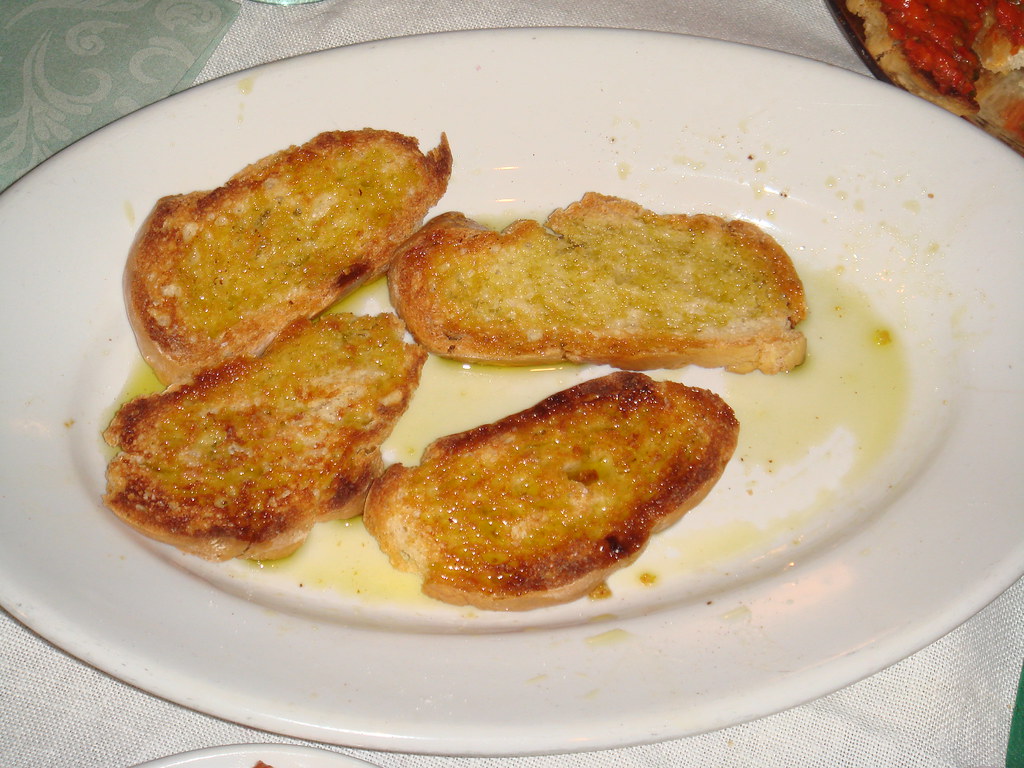
- Olio nuovo: just-pressed extra-virgin oil sold in late autumn, intensely green and peppery. Florentines celebrate it with fettunta.
- IGP Toscano: a protected label meaning the oil was produced in Tuscany under set rules.
Where we shop in New York
We find most Tuscan staples at Italian delis and markets. The Arthur Avenue Retail Market and the shops around it in the Bronx are a treasure trove, and Italian specialty shops in Manhattan and Brooklyn carry imported oils, cheeses and salumi. Cavolo nero, fresh herbs and good local beans turn up at NYC Greenmarkets through autumn and winter. For offal like lampredotto, ask a butcher who handles whole animals, and order ahead.
We're not affiliated with any shop or market, and we don't earn commission from them.