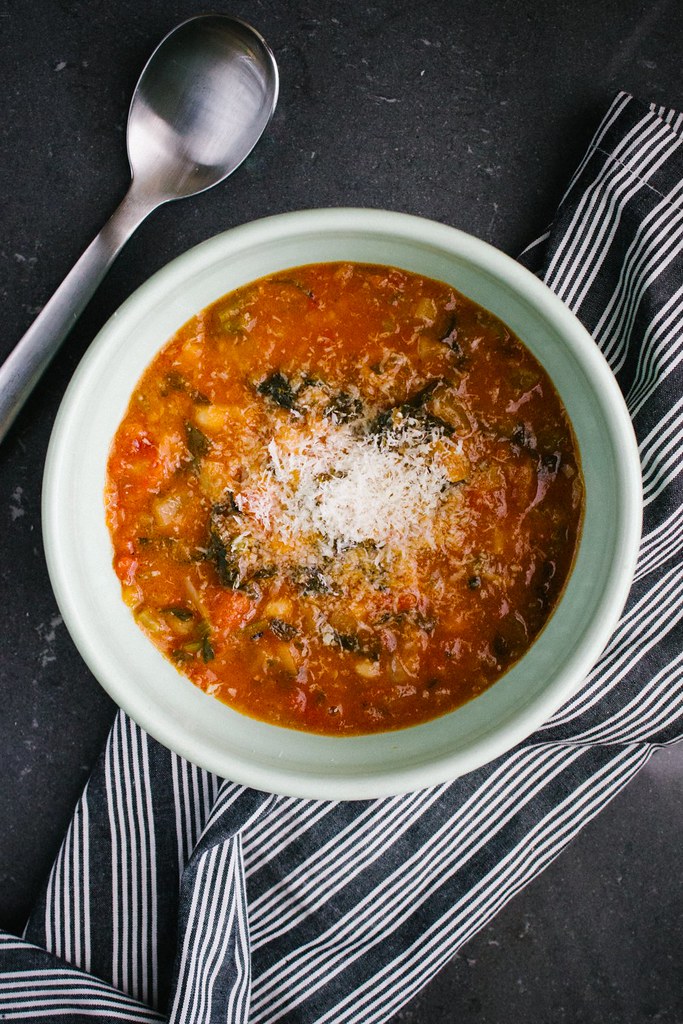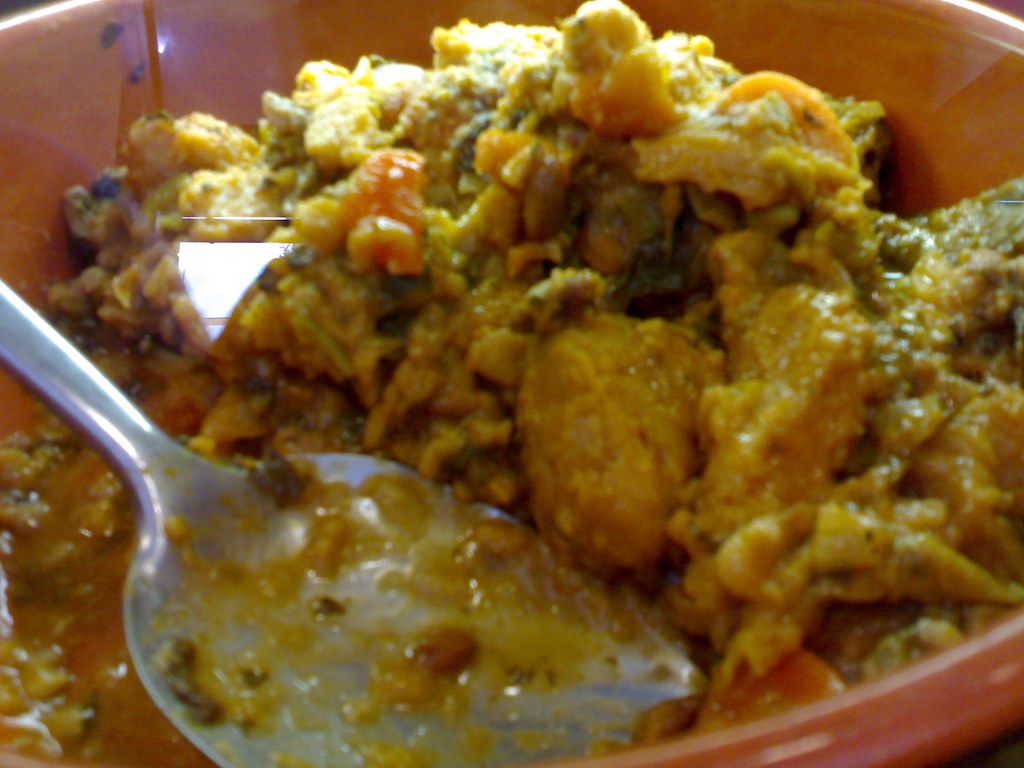
There's a reason Florentine cooks smile when you ask for "fresh" ribollita. The name means "reboiled," and the whole point is that it's better the next day, or even the day after. You make a big pot of vegetable and bean soup, layer it with stale bread, let it rest overnight, then heat it again until it turns into something thick enough to stand a spoon in. It's the opposite of fast food, and the reward for waiting is enormous.
Born from leftovers
Ribollita is classic cucina povera, "poor cooking," the food of farmhouses and city kitchens where nothing was wasted. Its ancestors were thick soups of whatever vegetables were in season, made stretchier with beans and the hard heels of old bread. The bread matters. Traditional Tuscan bread, pane toscano, is made without salt. It goes stale rather than mouldy, which makes it perfect for soaking up broth.
Why no salt? Tuscans tell several stories. A favourite involves medieval rivalries and salt being heavily taxed or blocked by rivals. Historians are cautious about the details, but the habit stuck, and saltless bread pairs beautifully with salty Tuscan cured meats and cheeses.
Ribollita isn't a recipe you make once. It's a pot you keep feeding for three days.
The essential green: cavolo nero
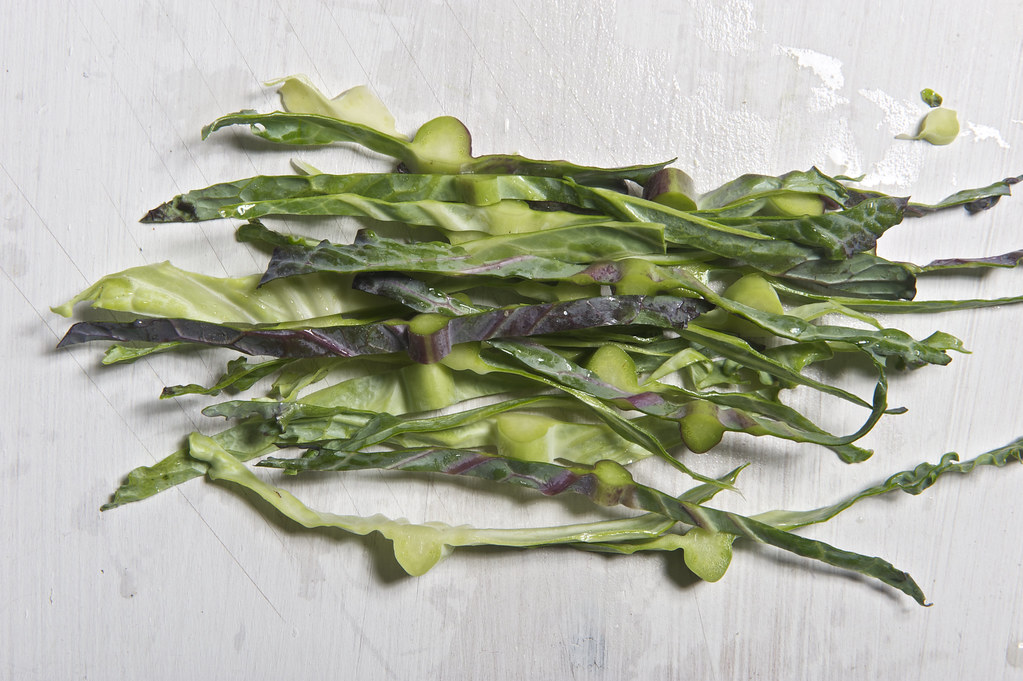
The soul of ribollita is cavolo nero, "black cabbage," also called Tuscan kale or lacinato kale. Its long, crinkled, dark leaves get sweeter after the first frost, which is why ribollita is a winter dish. In New York we find it at most greenmarkets from autumn on. Strip the leaves from the tough central rib before cooking.
How it's made in Florence
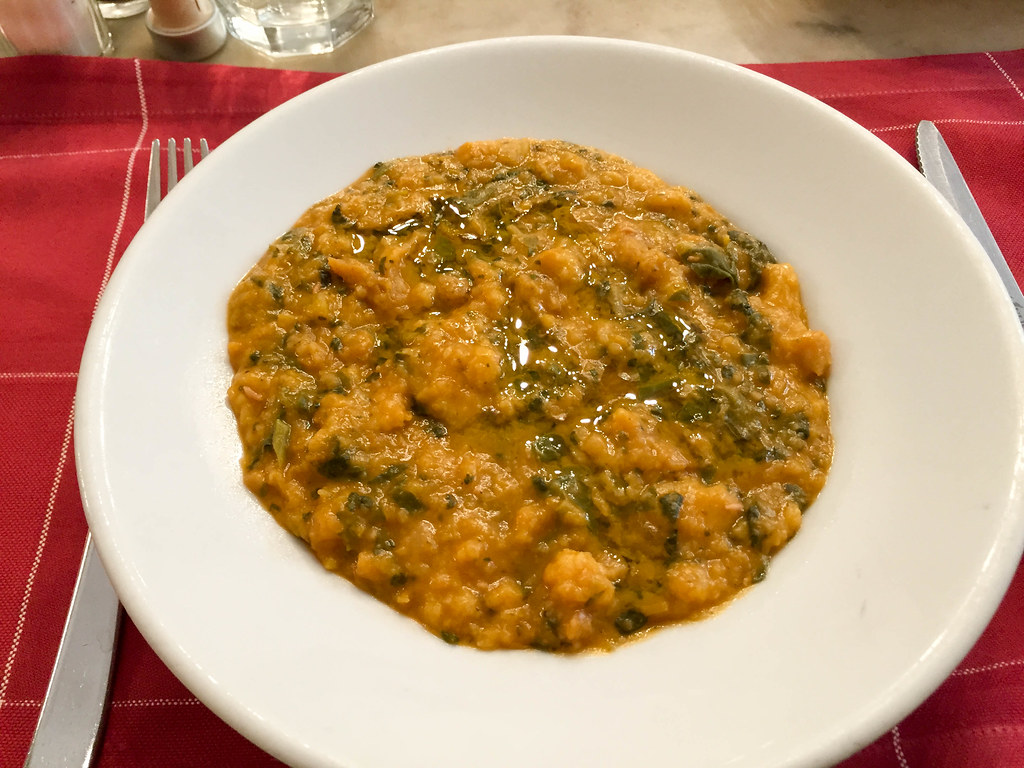
Every family has its own version, but the shape is always the same. Start with a soffritto of onion, carrot and celery in plenty of olive oil. Add beans (traditionally dried cannellini, cooked from scratch with sage and garlic), a mix of greens and vegetables, and a little tomato. Part of the beans gets puréed to thicken the soup. On the first day you have a minestra. Layer it with bread and rest it, and on the second day, reheated with a generous swirl of new olive oil, it becomes ribollita.
In autumn, Florentines love it with the year's first green, peppery olio nuovo poured over the top, and some add thin slices of raw red onion.
The recipe
Ingredients
- 300 g dried cannellini beans (or 750 g cooked)
- 2 sage leaves and 1 garlic clove, for the beans
- 6 tbsp extra-virgin olive oil, plus more to serve
- 1 large red onion, chopped
- 2 carrots, diced
- 2 celery stalks, diced
- 2 garlic cloves, sliced
- 1 potato, diced
- 1 zucchini, diced
- 300 g cavolo nero, ribs removed, chopped
- 200 g Savoy cabbage, shredded
- 150 g Swiss chard, chopped
- 2 tbsp tomato paste
- 1 sprig thyme
- 300 g stale unsalted Tuscan-style bread, sliced
- Salt and black pepper
Method
- Soak the dried beans overnight. Drain, cover with fresh water by 5 cm, add sage and garlic, and simmer gently until creamy, about 1½ hours. Salt only at the end. Keep the cooking water.
- Purée about half the beans with some of their cooking water.
- In a large heavy pot, warm the oil and cook onion, carrot and celery gently until soft and sweet, about 15 minutes. Add the sliced garlic for the last minute.
- Stir in the tomato paste, then add potato, zucchini, all the greens and the thyme. Stir until the leaves wilt.
- Add the bean purée, the whole beans and enough bean water (or vegetable stock) to cover generously. Season and simmer, partly covered, for about 1 hour.
- In a deep dish or another pot, layer slices of bread with ladlefuls of soup, ending with soup. Cool, cover and refrigerate overnight.
- Next day, return to a pot and reheat slowly, stirring to break up the bread, until thick and bubbling, about 20 minutes. Serve with plenty of olive oil, pepper and, if you like, thin raw red onion.